
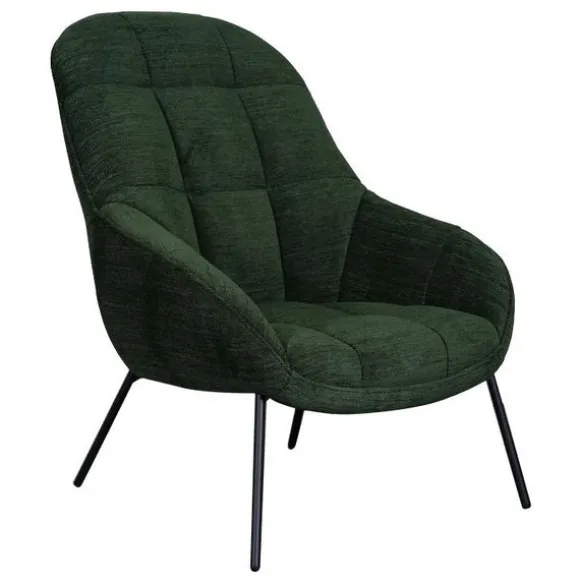
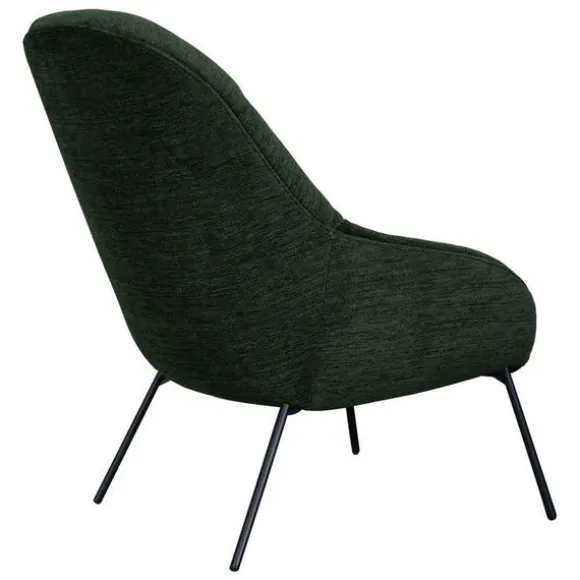
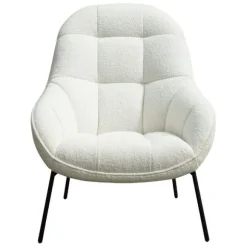
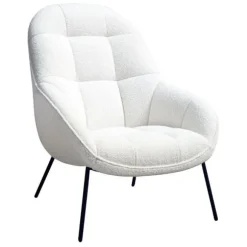
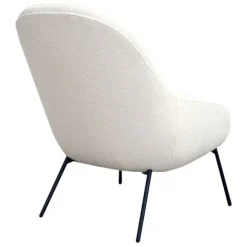
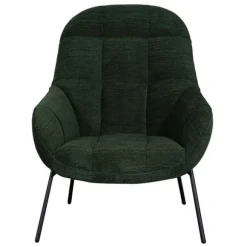
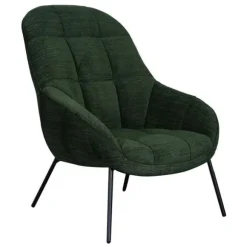
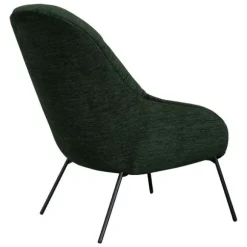
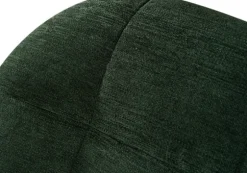

Mango Lounge Chair
Original price was: $2,963.64.$108.00Current price is: $108.00.
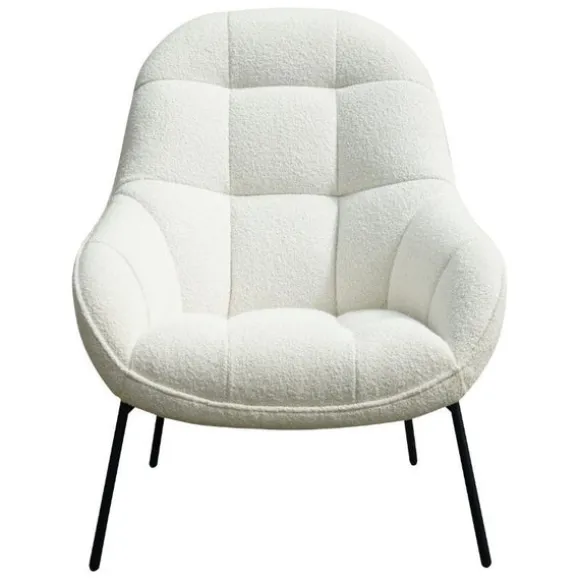
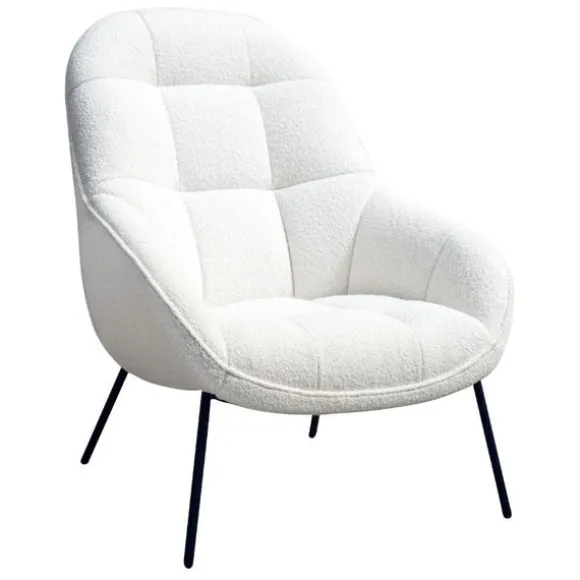
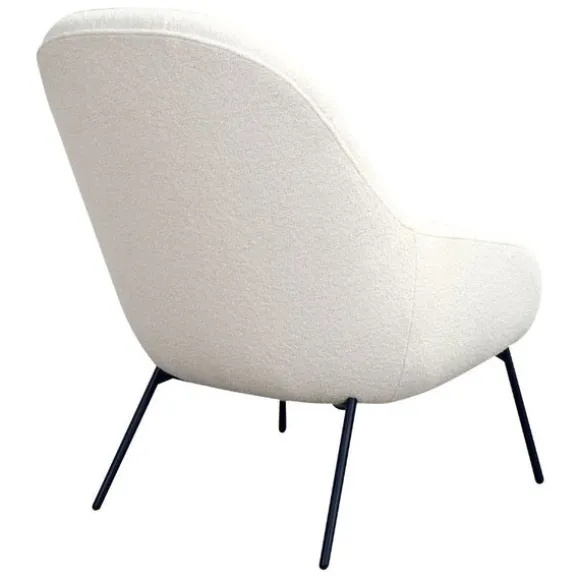
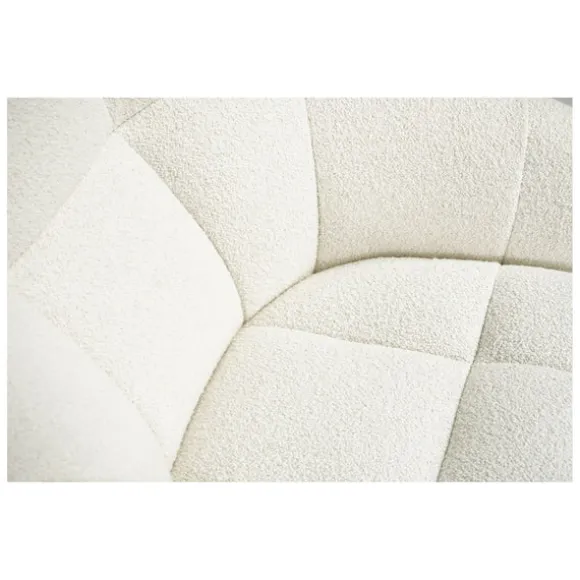
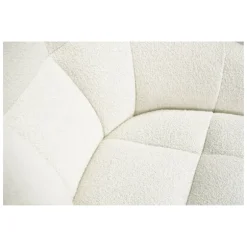
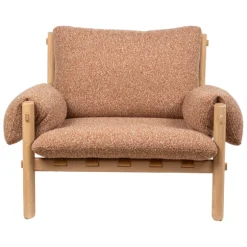
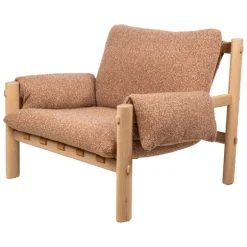
The Mango lounge chair breathes contemporary life into a classic silhouette. The soft, rolling inside of the chair was inspired by a the mango fruit, cut in a square pattern flipped inside and out. A slice of fun in an elegant shell makes the Mango a versatile and very comfortable chair that suits all occasions and surroundings. It’s Mango season.
Founded in 2008, NOTE is a design studio based in Stockholm and is known for their work in architecture, interiors, product and graphic design. Their design philosophy is simple and reflective of their name: to get noticed. By emphasising the uniqueness of each of their projects, NOTE aims to pay attention to their surroundings and create things that make others do the same.
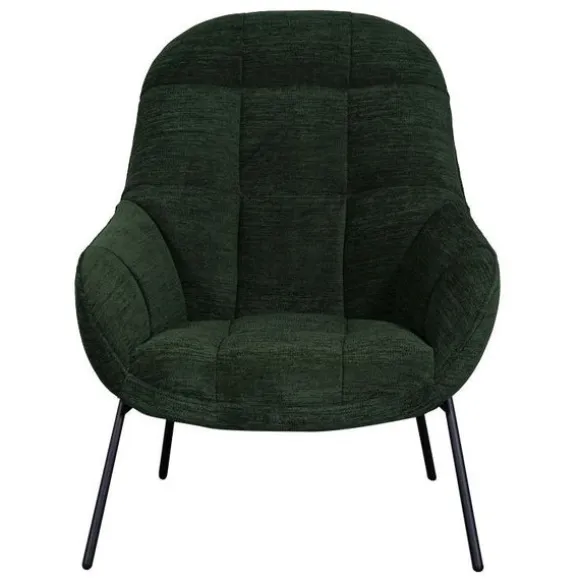
This item is available to be customised in different fabrics and colours, please get in touch with your local showroom for more information.
750 (W) x 930 (D) x 950 (H) mm
Seat height: 400 mm
Seat depth: 520 mm
Seat width: 550 mm
LEGS: Black powder-coated steel
STRUCTURE INTERIOR: Frame made of solid wood and MDF with nozag spring system
STRUCTURE PADDING: High-resilient, variable density, polyurethane foam
BACK: High-resilient, variable density, polyurethane foam. Wrap of fibrefill on top
SEAT: High resilient, variable density, polyurethane foam. Wrap of fibrefill on top
COVER: Fixed
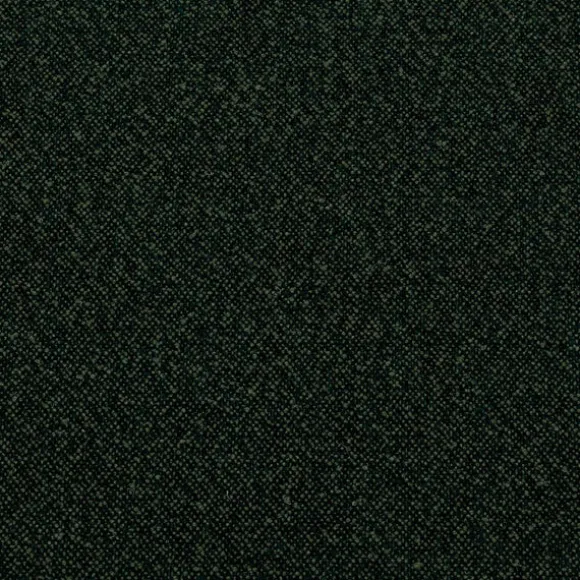
Cuddle Fabric (Made in Italy)
Composition: 34% viscose / 33% Acrylic / 17% wool / 8% polyester / 4% linen / 4% cotton
Martindale: 50,000
Roco Fabric (Made in Italy)
Fabric composition: 32% Cotton, 48% Acrylic, 20% Polyester
Martindale: 40,000
Spectrum Fabric
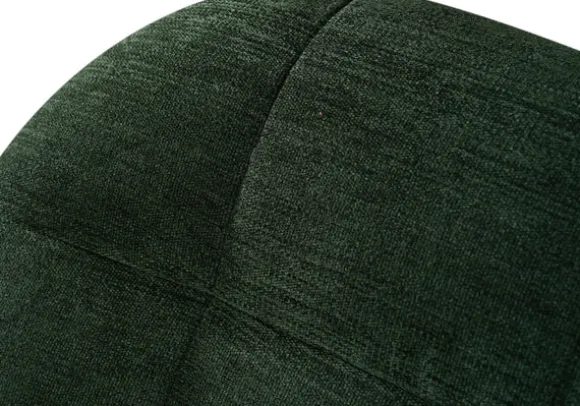
Composition: 72% Acrylic, 14% Viscose, 9% Wool, 5% Polyester
Martindale: 30,000
Regularly shake and fluff cushions to ensure shape retainment.
Fabrics can have slight variations in colour from dye lot to dye lot. Even though the same dyes are used every time, noticeable colour variations can occur. Temperature, time, and water source all contribute to slight variations between dye lots. The difference can be subtle to very visible. Industry standards allow up to a 6% difference in a colour variation, and variations within this limit are not considered to be a defect.
| Colour | Forest-Roco 24, Forest-Spectrum 10, White Boucle-Cuddle 02 |
|---|
Be the first to review “Mango Lounge Chair”
Related products
Coffee Tables
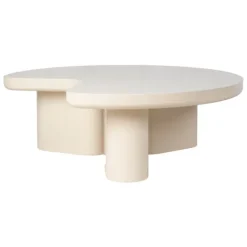
Coffee Tables
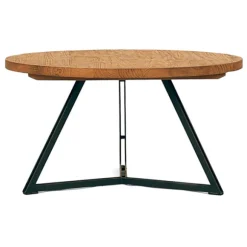
Coffee Tables
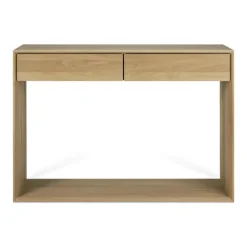
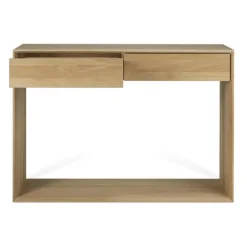
Console Tables
Living Room
Living Room
Living Room
Bedroom
Living Room
Living Room
Living Room
Living Room
Living Room
Living Room
Living Room
Living Room
Reviews
There are no reviews yet.